Think Twice Before Biting That Fresh-Picked Apple This Year
We're in the mid-to-late stretch of apple picking season across Minnesota and Wisconsin, and there are countless people who love to grab a bag, hop in the car, and spend an afternoon picking apples at their favorite spots.
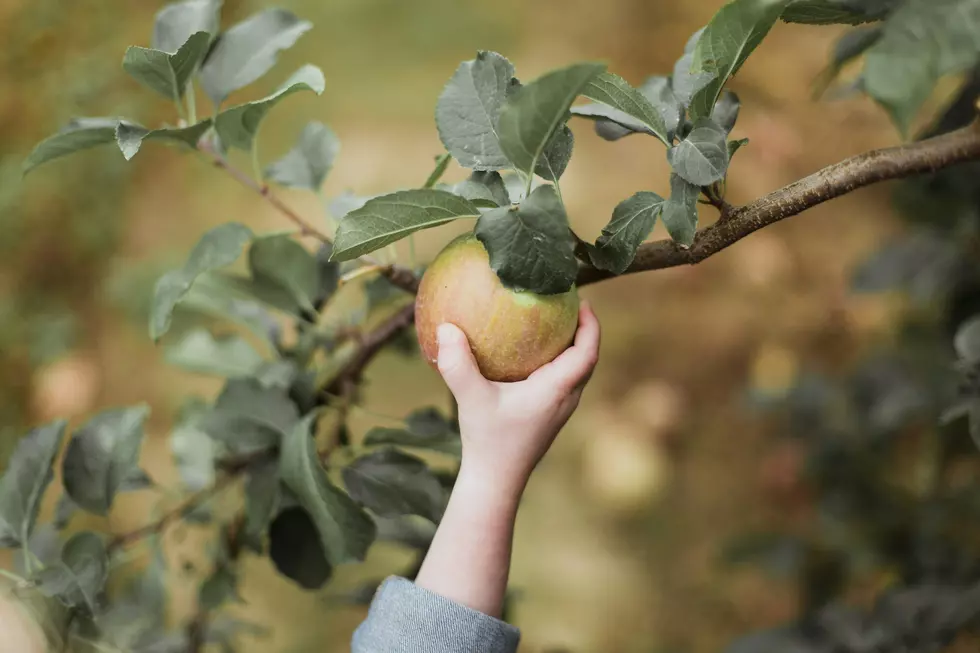
People will often pick a great-looking apple, give it a quick rub on the flannel, and take that first juicy bite right there under the tree.
It's a ritual I knew well growing up because I was lucky to have apple trees in my yard, as did my neighbors, and we'd often just grab a snack while out playing with our friends and eat it right there.
However, food safety experts would really like us to stop doing that, and the shirt wipe isn't really helping anybody.
Why That Fresh-Picked Apple Isn't As Clean As It Looks
An apple hanging on a branch looks about as natural and wholesome as food gets. The trouble is that orchards are outdoors, and the outdoors is full of things you don't want to eat.
Wildlife can leave droppings right on the fruit, rodents and insects can track contamination across it, and other pickers with dirty hands may have handled that same apple before you did.

Then there are our feathered friends. If you've ever walked out to find your freshly washed vehicle used as target practice, you already know birds aren't picky about where they drop their payload, and an apple tree full of perches is basically a bullseye.
Those droppings aren't always visible once they dry. Food safety specialists also note that Listeria tends to show up near the stem and the bottom of the apple, exactly the nooks a quick wipe on your sleeve never reaches.
Closer to home, a University of Minnesota Extension food safety educator warned orchards and u-pick farms that Salmonella, E. coli, and Campylobacter can get onto fresh produce from animals or from people who are already sick, then make the next person who eats it seriously ill.
Viruses like norovirus and hepatitis can also pass between visitors through food and shared surfaces.
The Apples On The Ground Are A Hard No
If there's one rule everyone must know, it's to leave the drops alone. Researchers have long considered fallen apples a prime suspect in E. coli O157:H7 contamination, with wild deer wandering the orchard as a major source.
Bruised and damaged fruit can even give that bacteria a place to grow. That isn't just theory. Several cider-related illness outbreaks have been tied to apples that fell to the ground before harvest, where deer had been foraging.
The Pesticide Question
Most commercial orchards spray their trees to fight insects and fungus. A 2025 USDA survey found that roughly three out of four apple growers use insecticides and fungicides.
Apples also landed on the Environmental Working Group's 2026 Dirty Dozen list of produce with the most pesticide residue.
However, it's fair to hear the other side. Farming groups counter that more than 99 percent of the USDA samples behind that list fall well below EPA safety limits.
One food safety consultant also noted that grocery store apples go through a commercial washing process that strips away much of that residue. Orchard apples skip that step entirely.
The takeaway is simple: residue is real, a single bite isn't a disaster, and washing helps. Some orchards advertise their fruit as pesticide-free, and it never hurts to ask the staff how their trees are managed.
Just don't treat "organic" as a free pass. A dietitian told Reader's Digest that organic apples face the same risk of bacterial contamination from animals, soil, and other people's hands, and some organic-approved sprays can still be used.
Is One Unwashed Bite Going To Hurt You?
Probably not. Even parenting experts admit that a kid who sneaks an unwashed apple or two at the orchard will most likely be just fine.
The risk isn't zero, though, and it climbs for some people. The FDA notes that children, older adults, pregnant women, and anyone with a weakened immune system are especially vulnerable to foodborne illness.
There's also an etiquette angle: many orchards sell by the pound, and some pickers see snacking in the rows as eating fruit you haven't paid for.
SEE NOW: What The New U.S. Ban on Canadian Alcohol and Products Actually Covers
And if you're thinking your own backyard tree gets a pass, it doesn't. The same birds, deer, and critters visit your yard too, which is why the FDA's advice to rinse all fresh produce specifically includes fruit you grow at home.
The good news is you know exactly what's been sprayed on it, which is more than most of us can say at the orchard.
Best Practices For Your Next Orchard Trip
Clean hands first. Wash up or use hand sanitizer before you start picking, and again after visiting any farm animals.
Pick from the tree, never the ground. Skip any apple with bird droppings, holes, or bruises.
Pack a "taste test" kit. If you simply have to sample, a bottle of water and a paper towel for a quick rinse and wipe beats your sleeve every time. Some orchards even have washing stations near the picking area, so look around before you bite, and check the orchard's sampling policy while you're at it.
Rinse under running water at home. The FDA recommends washing all produce, even farm-fresh and homegrown, under running water and scrubbing firm fruit, then drying it with a clean towel. Skip the soap and dish detergent, because produce can absorb it. University of Minnesota Extension also recommends water and friction, not bleach.
Try the baking soda soak. In a University of Massachusetts study, soaking apples in about a teaspoon of baking soda per two cups of water for 12 to 15 minutes removed most surface pesticide residue. It worked better than tap water or a bleach solution. Some residue can still seep below the skin, so it's an improvement, not a force field.
Wash right before eating, not before storing. Extension experts say washing apples just before you eat them helps them last longer in the fridge.
Enjoy The Orchard, Just Save The First Bite
Apple picking is one of the best traditions in the Upper Midwest, and there's no reason to skip it. If you're looking for a spot this weekend, the Minnesota Grown directory is a great place to start.
Just think of that first bite like a good cup of coffee: it's worth waiting a few minutes for. Bring the apples home, give them a proper rinse, and enjoy every crunch knowing you didn't share it with a deer.
Stay in Minnesota’s Most Famous Haunted Airbnb
Gallery Credit: Samm Adams
The 10 Rules of Apple Picking in Minnesota
Gallery Credit: Carly Ross