
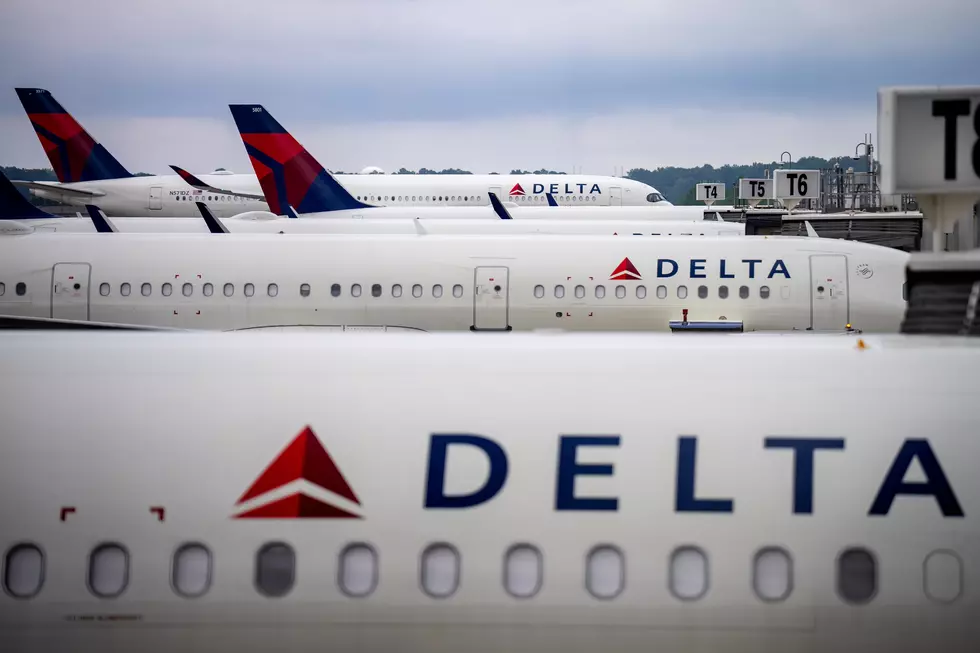
The Truth About Delta’s Surging Airfare: Will Prices Ever Drop?
Believe it or not, the holiday travel season is right around the corner, and if last year was any indication, airports are about to get crowded.
The Sunday after Thanksgiving 2025 became the busiest day in TSA history, with 3,133,924 travelers screened nationwide. Over the full year, the agency screened roughly 906.7 million people, an all-time record.
In Minnesota, a big chunk of those travelers fly Delta Air Lines. While the airline is headquartered in Atlanta, it is by far the largest carrier at Minneapolis-St. Paul International Airport. For travelers from throughout the state, MSP is the gateway to just about everywhere.
However, as people start booking flights to see family for Thanksgiving and Christmas, many are getting a serious case of sticker shock. I know I did when I recently scouted out ticket prices from MSP to Florida next spring and found a round-trip ticket was nearly $1,000.
In October, Delta CEO Ed Bastian offered some insight into why ticket prices have climbed so much this year, and how long they might stick around. Fair warning: you're not going to like the immediate outlook.
Why Delta Ticket Prices Are Surging
In short, it's fuel. Delta reported a 60% jump in fuel costs during the third quarter, which works out to roughly $1.6 billion more than the same stretch last year. Jet fuel prices doubled in the months after the war with Iran disrupted global oil supplies earlier this year.
Airlines passed much of that cost along to passengers. Delta's fares ran about 15% higher during the quarter, and nationally, domestic airfares were up 23.4% year over year in August.

Minnesota travelers were already paying a premium before the fuel spike. In the first quarter, MSP's average domestic fare of $519 was the most expensive among the nation's 25 busiest airports.
The surprising part? Delta's profits held up through it all. Bastian told CNBC that in past cycles, a 60% fuel increase would have left the airline "flat on our back."
Will Airfare Drop If Fuel Prices Fall?
Don't count on it. During a recent earnings call, Bastian said that because travelers have accepted current price points, he believes fares are now "very sustainable." He added that once fuel eventually recedes, the airline's earnings power will be "amplified."
Translation: cheaper fuel likely means bigger profits for Delta, not cheaper tickets for you.
Thrifty Traveler's Kyle Potter summed it up the same way on social media. It's not a new message, either. Bastian said the same thing in July, telling investors revenue momentum should hold even if fuel prices moderate.
Will Prices Ever Come Back Down?
Nobody has a crystal ball when it comes to airfare. However, there are a few clues. Bastian has said ticket prices will drop when more flights are added to the market, pointing to air traffic control congestion as a bottleneck.
SEE NOW: The 10 Most Dangerous Cities Right Now In Minnesota
Industry reports also note that because tickets are sold months in advance, relief typically only arrives after fuel prices stay stable for a sustained period.
That stretch may not come soon. Ryanair CEO Michael O'Leary said that fuel prices are likely to stay high for another 12 to 18 months. One airline consultant even expects fares to hold steady or climb as much as another 10% before the end of 2026.
What It Means for Your Holiday Travel
Christmas departures are averaging around $452, up about 23% from last year, so waiting around for a price drop could backfire.
If you have family to see this holiday season, booking sooner rather than later and comparing travel dates, airports, and carriers is your best bet.
Higher fares may be the new normal for a while. Still, a little planning can go a long way toward getting everyone home for the holidays without emptying the stocking fund.
The Week That Was: In Photos (Oct. 09, 2026)
Minnesota Savers Will Decline These 13 Donations
Gallery Credit: Samm Adams