
Popular Garden Plants Now Joining Wisconsin’s Invasive Species List
They don't look like much at first. A pretty flowering tree in a neighbor's yard. A plant someone dumped from an aquarium. A few seeds stuck in the tread of a hiking boot.
However, invasive species are among the most expensive and destructive problems facing our lakes, forests and farms, and Wisconsin is about to update the rules that keep them in check.
Now, the Wisconsin Department of Natural Resources has announced revisions to the state's invasive species regulations. They take effect January 1, 2027, and change which plants and animals are regulated across Wisconsin.
Why Invasive Species Are Such a Big Deal
Invasive species are plants, animals, and organisms from somewhere else that spread quickly once they arrive. With no natural predators or competitors to keep them in check, they can crowd out native species, damage crops, and choke waterways.

It's not a cheap problem. One national study found that invasive species cost the U.S. economy more than $21 billion a year, with agriculture hit hardest. Researchers say most of that money goes to cleaning up damage, not preventing it. That's one reason states keep updating their rules.
Wisconsin's rules are known as NR 40. The state created the rule back in 2009 to identify, classify, and control invasive species, and it covers everything from garden plants to fish to tree pests.
What's Changing on January 1, 2027
This is a big update. Under the revised rule, 65 new species will be regulated, 22 species will be removed from the list, and 46 species already on it will be reclassified. The full list is long, so here are the changes most people are likely to notice.
Popular Garden Plants Join the List
Gardeners will feel this update the most. Several plants you can find at garden centers today will become restricted statewide, which means they can no longer be sold, given away, or planted once their phase-out period ends:
- Callery pear, often sold as Bradford pear, a flowering tree that Wisconsin now regulates along with neighbors like Minnesota, Illinois, and Ohio
- Norway maple, a common shade tree
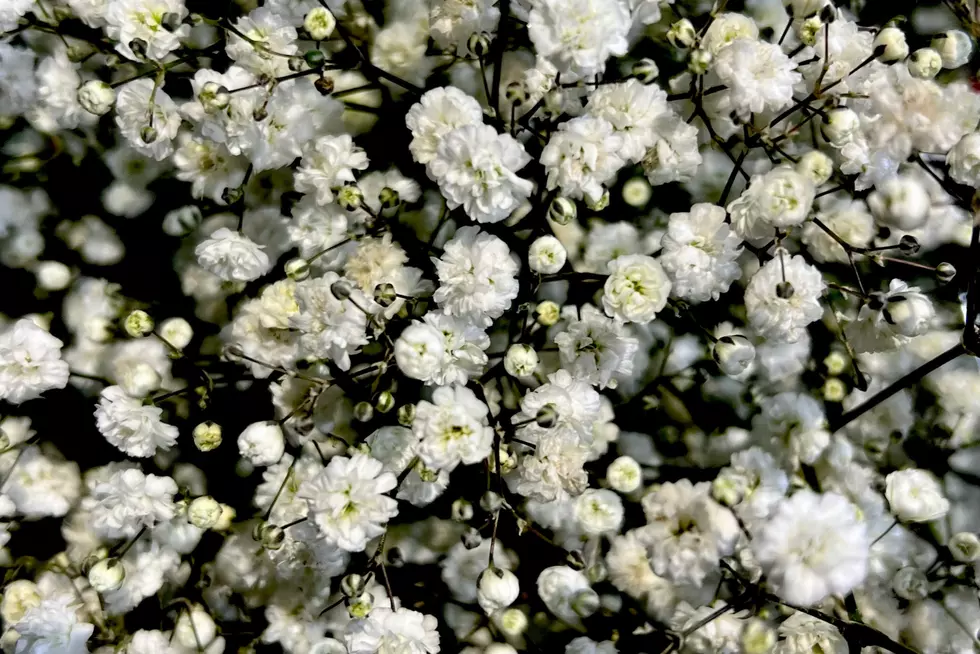
- Baby's breath, a bouquet favorite
- Chinese silver grass, a popular ornamental grass, except the cultivar 'NCMS1' My Fair Maiden
- Border privet and European privet, common hedge shrubs
- Japanese barberry, which is already regulated but will now cover nearly all cultivars, with only seven exceptions
- Gold-leaf creeping Jenny, which loses its exemption, although the cultivar 'Aurea' stays legal
There is some breathing room. Most of these plants qualify for a three- or five-year phase-out period, which means stock already in Wisconsin before January 1, 2027, can still be moved and planted without a permit until that window closes.
Callery pear, Norway maple, and the privets get five years, while baby's breath and Chinese silver grass get three.
Bigleaf Lupine Gets No Grace Period
One change takes effect right away. Bigleaf lupine, the tall, colorful flower you've likely seen along roadsides and in cottage gardens, will be prohibited in 23 counties and restricted everywhere else. Those counties include Barron, Burnett, Polk, Washburn, Chippewa, Eau Claire, and Dunn.
Because the lupine lands in both categories, it doesn't qualify for a phase-out. Starting January 1, it becomes illegal to transport, transfer, or introduce it anywhere in Wisconsin, including all cultivars and hybrids. In the prohibited counties, property owners may also be required to manage it.
New Rules for Boaters, Anglers and Aquarium Owners
Several aquatic species are being added as prohibited statewide, including the channeled and giant applesnails, the Chinese pond mussel, and gill lice, a parasite that attacks trout and salmon.
Asian swamp eels, which are common in the aquarium trade, are also being listed by name to remove any confusion.
On the flip side, some familiar aquatic invaders are moving from prohibited to restricted. That list includes the spiny water flea and New Zealand mud snail, which have become widespread enough that keeping them out entirely is no longer realistic. The focus now shifts to stopping them from spreading to new lakes and rivers.
Pets, Birds and Wildlife Diseases
The giant African snail, sometimes kept as a pet, will be prohibited, while the escargot snail and the European goldfinch will be restricted. The update also adds several diseases that threaten Wisconsin wildlife.
Among them are the parasite that causes whirling disease in fish, the salamander chytrid fungus and the fungus behind snake fungal disease.
Some Species Are Coming Off the List
Twenty-two species will no longer be regulated under NR 40, and a few might surprise you. The emerald ash borer, spongy moth, and Asian longhorned beetle are among the forest pests being removed. The monk parakeet and Siberian peashrub are also coming off the list.
The full breakdown, including county-by-county changes, is available in the DNR's summary of species changes.
SEE NOW: Wisconsin’s Beloved Free Cookie Book Is Now Available. Download It Here
Prohibited vs. Restricted: What the Labels Mean
Every regulated species falls into one of two categories. Here's what they mean:
- Prohibited species are either not yet in Wisconsin or found only in small, isolated pockets where containment is still possible. It's illegal to transport, transfer, introduce, or even possess them.
- Restricted species are already widespread in the state. It's illegal to transport, transfer, or introduce them, but simply having them isn't regulated. The goal is to stop them from spreading further.
In practical terms, if a restricted plant is already growing in your yard, you're not breaking the law.
Selling it, giving it away, or planting more of it is a different story, because the DNR says it's illegal to buy, sell, give away, or barter regulated species, with some exemptions.
Is There a New Penalty?
No. The DNR's announcement doesn't mention new penalties; it focuses on which species are covered, not how the rule is enforced.
Enforcement under NR 40 has generally emphasized education and voluntary compliance, though the DNR can cite intentional violations. The DNR can also order property owners to control prohibited species. If the owner doesn't, the DNR can do the work itself and seek repayment of its costs.
What This Means for You
For most people, the takeaway is simple. Before you buy plants, stock a pond or fill an aquarium, check whether the species is regulated.
Gardeners and landscapers should take a close look at the updated list before spring planting season. If you have bigleaf lupine on your property, especially in northwest Wisconsin, check the list closely. Boaters should keep cleaning and draining their boats and gear between lakes.
The DNR keeps a full list of regulated invasive species online. Questions can go to the DNR's invasive species team at invasive.species@wisconsin.gov.
What Happened With Wisconsin's Weather During The Strong El Niño of 2015-2016
Gallery Credit: Nick Cooper - TSM Duluth