

Iowa and Illinois Walmart Getting Tap-To-Pay This Week
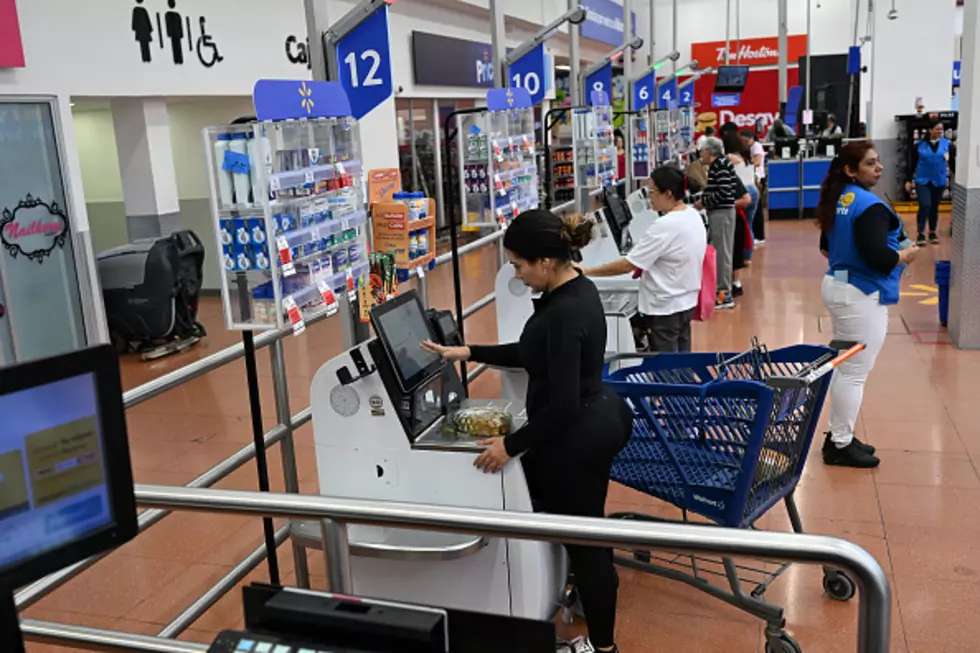
Walmart shoppers in Iowa and Illinois are about to get a new way to pay. Starting Thursday, September 24, Walmart is scheduled to begin rolling out Tap to Pay at stores across both states.
A Long-Awaited Checkout Change
That means shoppers will be able to hold a contactless credit or debit card, phone, or compatible smartwatch near the payment terminal instead of inserting or swiping a card.
For anyone who has ever stood at the checkout digging through their wallet, this could make things a little easier.
Apple Pay, Google Pay and More
The new system supports several popular contactless payment options, including Apple Pay, Google Pay and Samsung Pay, along with contactless cards and supported wearable devices. Walmart says it also supports eligible contactless EBT cards in some areas.
The change does not mean Walmart Pay or traditional card payments are going away. Shoppers can continue using cash, cards, Walmart Pay, and other existing payment methods.
The Official Walmart Rollout Schedule
According to the current rollout schedule, here is when each state is set to receive Tap to Pay:
- Aug. 24–31: Arkansas
- Sept. 10: California, Washington, Oregon, Nevada, Idaho, Alaska, Hawaii
- Sept. 14: Kansas, Louisiana, Nebraska, Oklahoma
- Sept. 17: Texas
- Sept. 21: Arizona, Utah, Colorado, New Mexico, South Dakota, Montana, North Dakota, Wyoming
- Sept. 24: Illinois, Ohio, Wisconsin, Minnesota, Iowa
- Sept. 28: Tennessee, Indiana, Michigan, Kentucky
- Oct. 1: Georgia, Alabama, Mississippi
- Oct. 5: Florida
- Oct. 8: North Carolina, Virginia, South Carolina, West Virginia, Puerto Rico
- Oct. 12: Pennsylvania, New York, New Jersey, Massachusetts, Maryland, Connecticut, New Hampshire, Maine, Delaware, Rhode Island, Vermont and Washington, D.C.
Walmart says the nationwide rollout should be complete by the end of 2026.
LOOK: 20 Discontinued McDonald's Menu Items You'll Never See Again
Gallery Credit: Stacker